Physical Address
304 North Cardinal St.
Dorchester Center, MA 02124
Physical Address
304 North Cardinal St.
Dorchester Center, MA 02124

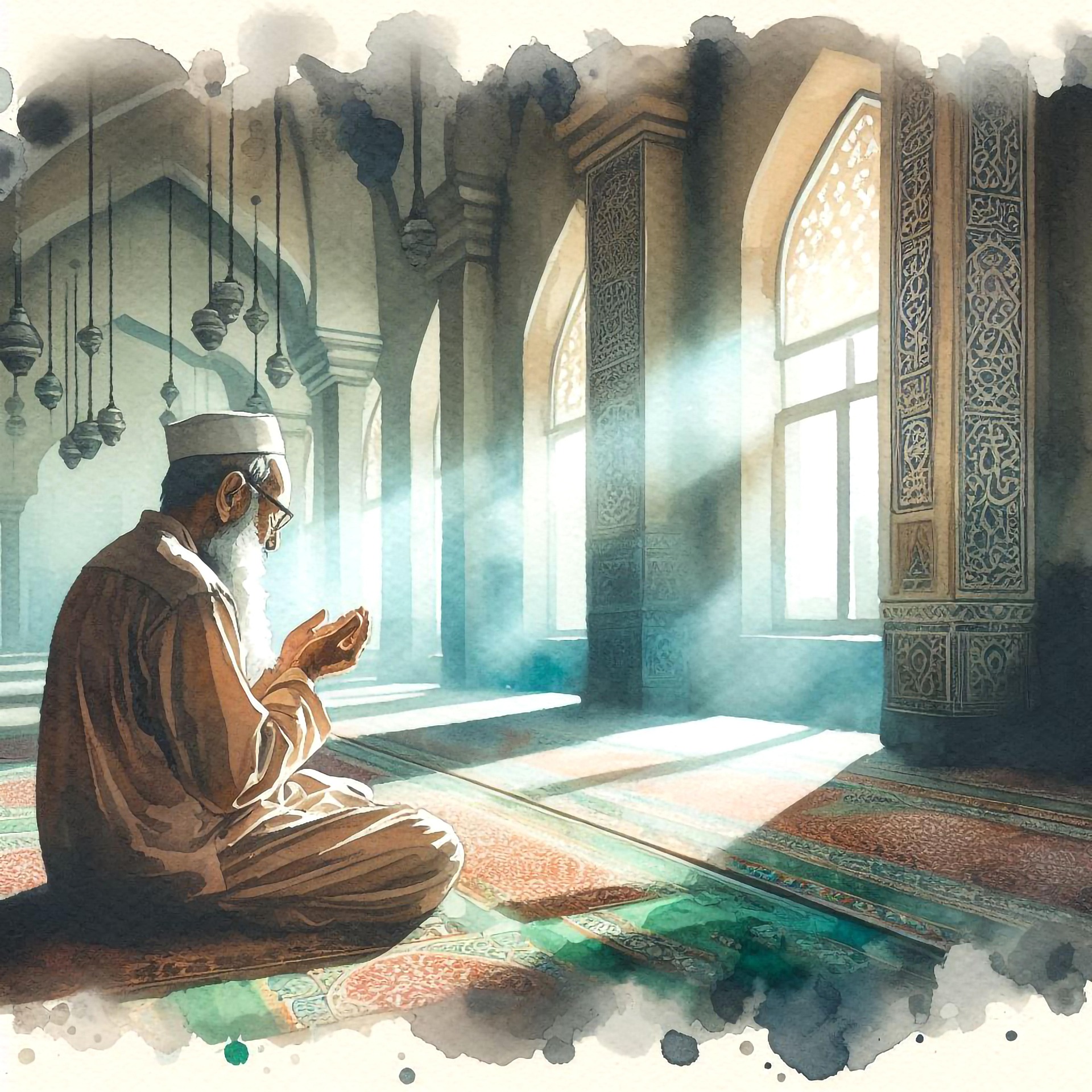
The remembrance of Allah (dhikr) is among the greatest acts of worship a Muslim can perform. It strengthens faith, brings tranquillity to the heart, protects a believer from harm, and keeps the servant connected to his Lord throughout the day and night. Islam teaches Muslims to remember Allah in every situation—when waking, sleeping, eating, travelling, entering and leaving the home, and many other daily activities.
Allah says:
“O you who believe! Remember Allah with much remembrance, and glorify Him morning and evening.”
(Qur’an 33:41–42)
Allah also says:
“Verily, in the remembrance of Allah do hearts find rest.”
(Qur’an 13:28)
The Prophet Muhammad ﷺ consistently remembered Allah and encouraged his companions to do the same. Following these daily adhkār is part of following the Sunnah and earning Allah’s pleasure.
The Qur’an and authentic Sunnah mention many virtues of remembering Allah.
Among them are:
The Prophet ﷺ said:
“The example of the one who remembers his Lord and the one who does not is like the living and the dead.”
(Sahih al-Bukhari, no
He also said:
“Shall I not inform you of the best of your deeds… It is the remembrance of Allah.”
(Jami’ al-Tirmidhi, no. 3377 – Hasan)
The morning adhkār are recited after Fajr until shortly after sunrise.
A. Seeking Allah’s Protection
Arabic
اللَّهُمَّ بِكَ أَصْبَحْنَا، وَبِكَ أَمْسَيْنَا، وَبِكَ نَحْيَا، وَبِكَ نَمُوتُ، وَإِلَيْكَ النُّشُورُ
Transliteration
Allahumma bika asbahnā, wa bika amsaynā, wa bika naḥyā, wa bika namūt, wa ilaykan-nushūr.
Translation
“O Allah, by You we enter the morning, by You we enter the evening, by You we live, by You we die, and to You is the resurrection.”
Source: Sunan al-Tirmidhi (3388 – Hasan)
This supplication reminds the believer that every aspect of life and death is in Allah’s control.
The evening adhkār are recited after ‘Aṣr until sunset or during the early evening.
Arabic
اللَّهُمَّ بِكَ أَمْسَيْنَا وَبِكَ أَصْبَحْنَا وَبِكَ نَحْيَا وَبِكَ نَمُوتُ وَإِلَيْكَ الْمَصِيرُ
Transliteration
Allahumma bika amsaynā wa bika aṣbaḥnā wa bika naḥyā wa bika namūt wa ilaykal-maṣīr.
Translation
“O Allah, by You we enter the evening, by You we enter the morning, by You we live, by You we die, and to You is the final return.”
Source: Sunan al-Tirmidhi (3391 – Hasan)
The believer ends the day remembering Allah and preparing for the Hereafter.
Arabic
بِاسْمِكَ اللَّهُمَّ أَمُوتُ وَأَحْيَا
Transliteration
Bismika Allahumma amūtu wa aḥyā.
Translation
“In Your Name, O Allah, I die, and I live.”
Source: Sahih al-Bukhari (6324)
The believer entrusts his soul to Allah before sleep.
Arabic
الْحَمْدُ لِلَّهِ الَّذِي أَحْيَانَا بَعْدَ مَا أَمَاتَنَا وَإِلَيْهِ النُّشُورُ
Transliteration
Alhamdu lillāhil-ladhī aḥyānā ba’da mā amātanā wa ilayhin-nushūr.
Translation
“All praise belongs to Allah who gave us life after causing us to die, and to Him is the resurrection.”
Source: Sahih al-Bukhari
Benefit
It reminds us that every new day is a blessing from Allah.
Conclusion
Daily adhkār are a priceless gift from Allah. They require little effort yet bring immense rewards, protection, peace of mind, and closeness to our Creator. The Prophet Muhammad ﷺ faithfully remembered Allah in every circumstance, providing the perfect example for his Ummah. Every Muslim should strive to preserve these authentic supplications, recite them with sincerity and understanding, and avoid unauthenticated practices. By making daily remembrance a constant habit, the believer fills every part of the day with worship and hope in Allah’s mercy, following the guidance of the Qur’an and the authentic Sunnah according to the understanding of the righteous predecessors (al-Salaf al-Ṣāliḥ).



interesting