Physical Address
304 North Cardinal St.
Dorchester Center, MA 02124
Physical Address
304 North Cardinal St.
Dorchester Center, MA 02124

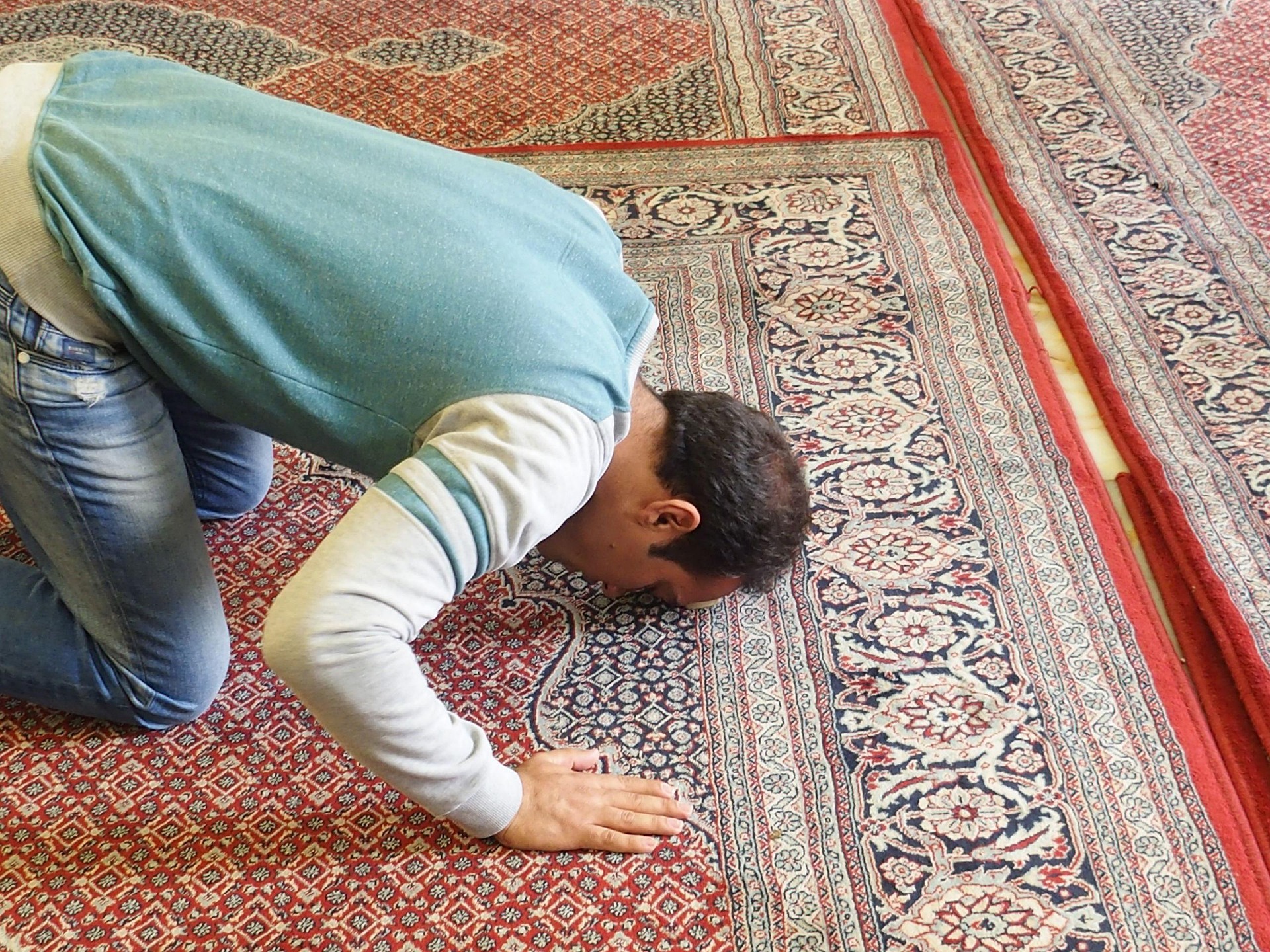
Solat, also known as Salah, is one of the greatest acts of worship in Islam. It is the second pillar of Islam after the declaration of faith (Shahadah), and it holds a central place in the life of every Muslim. Through Solat, Muslims worship Allah, seek His guidance, remember Him throughout the day, and strengthen their faith.
Islam teaches that human beings were created to worship Allah alone. Solat is among the clearest and most important expressions of that worship. It is not merely a ritual or routine action; rather, it is a direct connection between a servant and the Creator.
Every day, Muslims perform five obligatory prayers at specific times. These prayers help believers remain conscious of Allah, avoid sinful behaviour, and maintain spiritual discipline. Solat brings peace to the heart, purity to the soul, and structure to daily life.
The importance of prayer is mentioned repeatedly in the Qur’an and the authentic Sunnah of Prophet Muhammad ﷺ. This article explains the meaning of Solat, its importance in Islam, its benefits, the dangers of neglecting it, and practical advice for maintaining consistency in prayer.
Meaning of Solat (Salah)
The Arabic word “Salah” or “Solat” means prayer, connection, and supplication. In Islamic terminology, Solat refers to the prescribed acts of worship performed at fixed times during the day and night. These acts include standing, bowing, prostrating, reciting verses from the Qur’an, and remembering Allah with humility and sincerity.
The five daily prayers are:
These prayers are obligatory upon every adult Muslim who is mentally sound.
Allah says in the Qur’an:
“Indeed, prayer has been decreed upon the believers at fixed times.” (Surah An-Nisa 4:103)
Allah made solat obligatory during the miraculous Night Journey and Ascension (Isra and Mi‘raj) of Prophet Muhammad ﷺ. This shows the special status of prayer in Islam because Allah commanded it directly, without any intermediary, on that occasion.
Why Solat Is One of the Most Important Pillars of Islam
Solat is the second pillar of Islam after the testimony of faith. It is one of the foundations upon which Islam is built.
The ﷺProphet Muhammad said:
“Islam is built upon five: the testimony that there is no god worthy of worship except Allah and that Muhammad is the Messenger of Allah, establishing prayer, paying Zakah, fasting Ramadan, and performing Hajj.” (Sahih al-Bukhari and Sahih Muslim)
This authentic Hadith clearly demonstrates the high position of prayer in Islam.
A Direct Link Between the Servant and Allah
Solat is unique because it allows Muslims to communicate directly with Allah. During prayer, a believer stands before the Creator with humility, hope, fear, gratitude, and sincerity.
Allah says:
“And establish prayer for My remembrance.” (Surah Taha 20:14)
Prayer reminds Muslims of Allah throughout the day and prevents them from becoming completely absorbed in worldly matters.
The First Deed Accounted for on the Day of Judgement
The Prophet ﷺ taught that prayer will be the first action judged on the Day of Resurrection.
He said:
“The first deed for which a person will be brought to account on the Day of Resurrection is his prayer. If it is sound, he will be successful and safe. But if it is defective, he will fail and lose.” (Reported by At-Tirmidhi and An-Nasa’i. Scholars have authenticated its meaning.)
This Hadith highlights the seriousness and importance of Salah in a Muslim’s life.
Importance of the Five Daily Prayers
Fajr Prayer
Fajr is performed before sunrise and begins the day with remembrance of Allah. Waking early for prayer teaches discipline and sincerity.
The Prophet ﷺ said:
“Whoever prays the morning prayer is under the protection of Allah.” (Sahih Muslim)
Fajr also helps believers begin the day with spiritual focus and blessings.
Dhuhr Prayer
Dhuhr is prayed after midday. It reminds Muslims to pause during work or study and turn back to Allah.
This prayer teaches balance between worldly responsibilities and worship.
Asr Prayer
Asr is one of the most emphasised prayers in Islam.
Allah says:
“Guard strictly the prayers, especially the middle prayer.” (Surah Al-Baqarah 2:238)
Many scholars explain that the “middle prayer” refers to the Asr prayer.
Maghrib Prayer
Maghrib is offered immediately after sunset. It reminds Muslims to end the day with worship and gratitude.
Isha Prayer
Isha is the final obligatory prayer of the day. It allows Muslims to end their daily activities with remembrance of Allah before sleeping.
The Prophet ﷺ strongly encouraged believers to maintain both Isha and Fajr prayers regularly.
“Surely in the remembrance of Allah do hearts find rest.” (Surah Ar-Ra‘d 13:28)
Sincere prayer helps prevent immoral behaviour and wrongdoing.
Allah says:
“Indeed, prayer prohibits immorality and wrongdoing.” (Surah Al-‘Ankabut 29:45)
A Muslim who maintains prayer with sincerity becomes more careful about speech, actions, and behaviour.
Praying at fixed times every day teaches time management, discipline, and consistency.
Muslims learn to organise their lives around worship rather than neglecting worship for worldly distractions.
In prayer, Muslims bow and prostrate before Allah. These acts remind believers of Allah’s greatness and their own dependence upon Him.
This develops humility and gratitude.
Prayer strengthens the connection between a Muslim and Allah in many ways.
During Solat, Muslims recite verses from the Qur’an, praise Allah, ask for forgiveness, and seek guidance. This constant remembrance builds love, trust, and reliance upon Allah.
A believer who prays regularly becomes more conscious of Allah’s presence and more careful about pleasing Him.
The Prophet ﷺ used to turn to prayer during times of difficulty and distress. This teaches Muslims that prayer is not only an obligation but also a source of comfort and support.
When a Muslim prays sincerely, they develop patience, hope, and spiritual strength.
Islam strongly warns against neglecting prayer. Salah is not optional for Muslims; it is an obligation commanded by Allah.
Allah says:
“Then there came after them generations who neglected prayer and followed desires, so they will face evil.” (Surah Maryam 19:59)
The Prophet ﷺ also said:
“Between a man and disbelief and polytheism is the abandonment of prayer.” (Sahih Muslim)
This authentic Hadith shows the seriousness of abandoning Salah.
Neglecting prayer weakens faith and distances a person from Allah. A Muslim who abandons prayer may gradually lose spiritual discipline and become more vulnerable to sinful behaviour.
Scholars have discussed the exact ruling concerning a person who completely abandons prayer, and there are recognised scholarly differences regarding some details. However, all scholars agree that neglecting Salah is among the gravest sins in Islam.
Solat is one of the greatest acts of worship in Islam and one of the strongest signs of faith. It is the daily connection between a Muslim and Allah, bringing peace, discipline, forgiveness, and spiritual strength.
The five daily prayers help believers remain mindful of Allah throughout the day and protect them from wrongdoing. Prayer purifies the heart and strengthens character