Physical Address
304 North Cardinal St.
Dorchester Center, MA 02124
Physical Address
304 North Cardinal St.
Dorchester Center, MA 02124

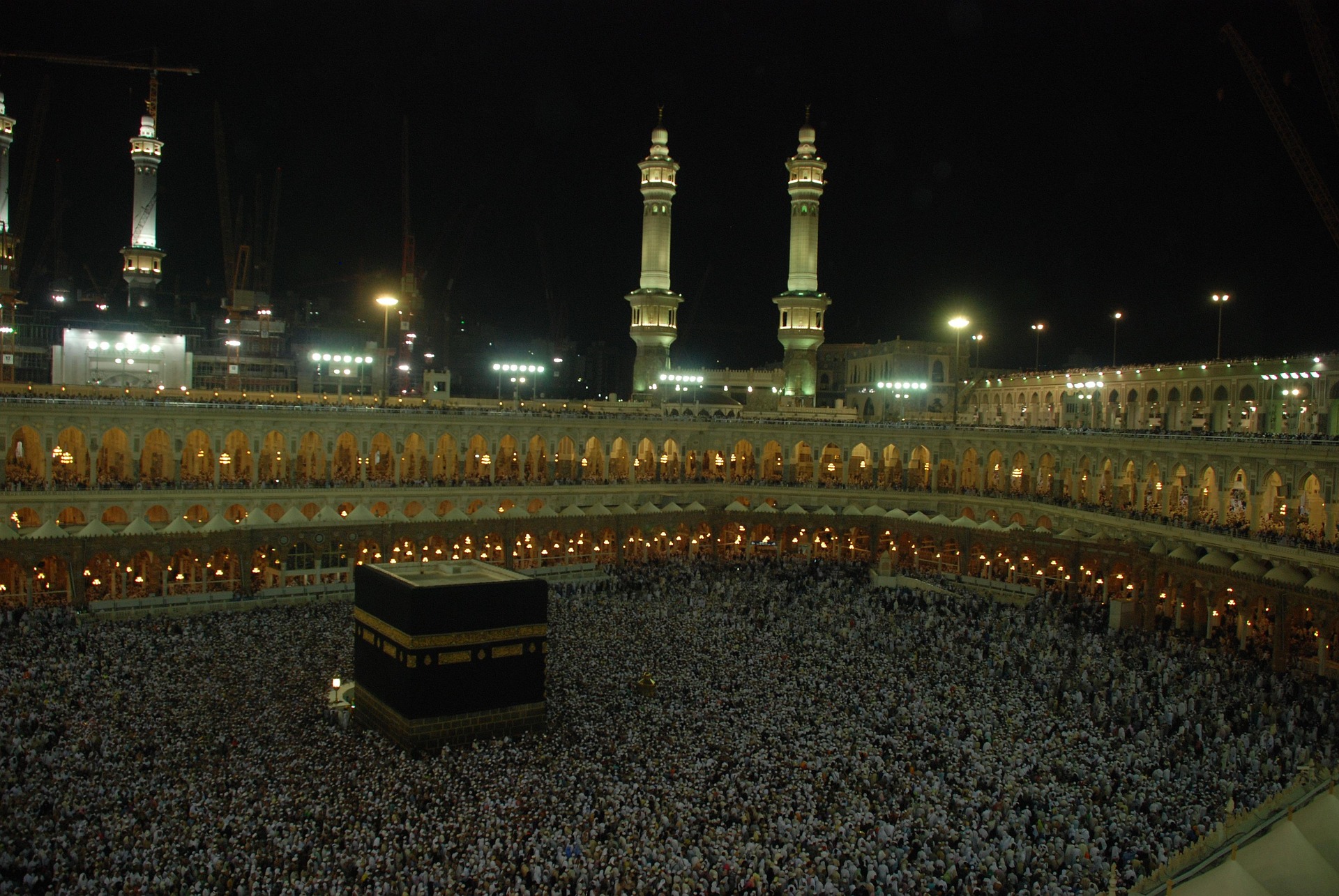
Asr prayer is the third of the five obligatory daily prayers in Islam. It is an important act of worship that every Muslim must strive to perform at its prescribed time.
Allah emphasises the importance of protecting the prayers in the Quran:
“Guard strictly the prayers, especially the middle prayer, and stand before Allah with devotion.” (Quran 2:238)
Many scholars identify the middle prayer mentioned in this verse as Asr prayer. This highlights its special importance and the need for Muslims to protect it from neglect.
In this lesson, we will focus on the specific features of Asr prayer, including voluntary prayers before it, and the warnings against neglecting it. The general method of performing Salah has already been explained in the previous lessons on Fajr and Dhuhr.
The time for Asr begins when the prescribed time of Dhuhr ends. According to the majority of scholars, this occurs when the shadow of an object reaches its length, in addition to the shadow it had at the time of solar noon. There is a recognised difference of opinion regarding the precise calculation.
Muslims should follow a reliable local prayer timetable prepared according to a recognised method of calculation.
The time for Asr continues until sunset, although delaying the prayer until the sun is about to set without a valid reason is blameworthy.
The Messenger of Allah, peace and blessings be upon him, said:
“Whoever catches one rakah of the Asr prayer before the sun sets has caught the Asr prayer.”
Source: Sahih al-Bukhari and Sahih Muslim.
This hadith shows that whoever catches one complete rakah before sunset has caught the prayer within its time. However, Muslims should not use this as an excuse to delay Asr deliberately. The prayer should be performed promptly and within its prescribed time.
Work, business, studies and other daily responsibilities should not become reasons for neglecting this important obligation.
Asr prayer consists of four obligatory rakahs. These four rakahs are performed as one prayer, with the appropriate sitting positions and final salam.
After the opening takbir and the appropriate opening supplication, the worshipper recites Surah Al-Fatihah, followed by another portion of the Quran.
The worshipper then completes the bowing, rising from bowing and two prostrations according to the Sunnah.
The worshipper recites Surah Al-Fatihah followed by another portion of the Quran, then completes the bowing and prostrations.
After the second rakah, the worshipper sits for the first tashahhud and recites the prescribed words. The worshipper then stands for the third rakah.
In the third rakah of the obligatory Asr prayer, the worshipper recites Surah Al-Fatihah and completes the remaining actions of the rakah.
The worshipper then stands for the fourth rakah.
In the fourth rakah, the worshipper recites Surah Al-Fatihah and completes the bowing and prostrations.
After the final prostration, the worshipper sits for the final tashahhud, sends blessings upon the Prophet Muhammad, peace and blessings be upon him, and makes the prescribed supplications before concluding the prayer with the salam.
This completes the four obligatory rakahs of Asr prayer.
One distinctive feature of Asr prayer is that Quranic recitation is performed silently throughout all four obligatory rakahs.
Unlike Fajr, Maghrib and Isha, which include prescribed audible recitation, Asr is a silent prayer.
During the first and second rakahs, the worshipper recites Surah Al-Fatihah and another portion of the Quran. During the third and fourth rakahs, the worshipper recites Surah Al-Fatihah.
Silent recitation does not mean merely thinking about the verses without reciting them. The worshipper should articulate the words with the tongue and lips in a manner appropriate for silent prayer.
When praying in congregation, the imam performs Asr silently, and those praying behind him follow his movements according to the Sunnah and the relevant rulings concerning congregational prayer.
In addition to the four obligatory rakahs, a Muslim may perform four voluntary rakahs before Asr.
The Messenger of Allah, peace and blessings be upon him, said:
“May Allah have mercy on a person who prays four rakahs before Asr.”
Source: Sunan Abu Dawud, Hadith 1271, and Jami at-Tirmidhi, Hadith 430.
The narration has been graded acceptable by some hadith scholars, although its grading has been discussed.
These four rakahs are voluntary, not obligatory. They are commonly performed as two sets of two rakahs.
A Muslim who does not perform these voluntary prayers has not missed the obligatory Asr prayer. Nevertheless, observing voluntary prayers is an opportunity to increase in worship and seek Allah’s reward.
The voluntary prayers must not distract a person from performing the four obligatory rakahs on time.
Asr prayer has a particularly important place in Islamic teaching. The Prophet Muhammad, peace and blessings be upon him, warned Muslims against missing it.
He said:
“Whoever misses the Asr prayer, it is as if he has lost his family and property.”
Source: Sahih al-Bukhari.
This comparison illustrates the immense loss associated with missing Asr prayer.
In another authentic narration, the Prophet warned against allowing the Asr prayer to be missed. This further demonstrates the seriousness of neglecting an obligatory prayer.
Muslims should organise their daily activities around the prayer times. Those who work, study, travel or operate businesses should make reasonable arrangements to fulfil their obligation.
If someone misses a prayer unintentionally because of sleep or forgetfulness, the Prophet instructed that the person should pray it when they remember it.
Source: Sahih al-Bukhari and Sahih Muslim.
Deliberately allowing the prayer time to expire is a different matter and requires sincere repentance. A Muslim who has fallen into this situation should seek reliable scholarly guidance concerning the appropriate steps to take.
Asr prayer can be performed individually or in congregation. Congregational prayer holds great importance in Islam, and Muslim men are strongly encouraged to attend congregational prayers according to the established teachings of the Sunnah and the relevant scholarly rulings.
When praying behind an imam, the worshipper should follow the imam and must not deliberately move ahead of him.
Because Asr is a silent prayer, the imam does not recite the Quran aloud as he does in prayers with prescribed audible recitation. The congregation follows him through the standing, bowing, prostrations and sitting positions until the prayer is completed.
The worshipper should maintain tranquillity, humility and concentration throughout the prayer.
The purpose of Salah is not merely to complete a series of movements. It is an act of worship through which a Muslim demonstrates obedience to Allah, remembers Him and seeks His pleasure.
Every Muslim should remember these essential points about Asr prayer.
First, Asr consists of four obligatory rakahs.
Second, Quranic recitation is silent throughout the four obligatory rakahs.
Third, the first two rakahs include Surah Al-Fatihah and additional Quranic recitation.
Fourth, Surah Al-Fatihah is recited in the third and fourth rakahs.
Fifth, four voluntary rakahs before Asr are encouraged according to a reported hadith.
Sixth, Asr must be performed within its prescribed time and must not be deliberately neglected.
Finally, Muslims should learn how to pray according to the authentic Sunnah and seek reliable knowledge whenever they are uncertain about a ruling.
These points help Muslims understand the distinctive features of Asr without unnecessarily repeating the general instructions covered in earlier lessons.
Asr prayer is an essential act of worship that every Muslim should guard carefully. Its four obligatory rakahs, silent Quranic recitation, prescribed time and the encouragement to perform voluntary prayers before it are important aspects of this prayer.
Allah commands believers to protect their prayers and stand before Him with devotion. Therefore, Muslims should make Asr a priority, regardless of how busy their daily activities become.
Let us strive to establish our prayers sincerely, follow the authentic Sunnah of the Prophet Muhammad, peace and blessings be upon him, and avoid neglecting the obligations that Allah has placed upon us.
May Allah help us establish the five daily prayers with sincerity, humility and consistency, accept our actsHowToPrayAsr of worship, forgive our shortcomings, and make us among those who faithfully guard their prayers. Ameen.